|
Know what’s happening across Oceania—before your coffee’s cold.
TODAY IN OCEANIA
Today is Anti-Obesity Day!
Anti-Obesity Day, observed on 26 November, raises awareness about the rising rates of obesity and its impact on health. It promotes evidence-based steps such as balanced nutrition, regular physical activity, and early intervention to reduce related diseases. Take one small step today that supports your health!
|
OCEANIA MARKETS
|
S&P/ASX 200
|
8,537.00
|
+0.14%
|
|
|
S&P/NZX 50 Index Gross
|
13,480.43
|
-0.14%
|
|
|
SPX STRI Fiji
|
9737.93
|
0.00%
|
|
ASX 200 and NZX 50 Data Provided By:

|
|
*Market index data sourced from official exchange publications and financial data aggregators. ASX and NZX data reflect end-of-day figures from the Australian and New Zealand stock exchanges respectively. SPX (South Pacific Stock Exchange) figures reflect the most recent published data. Note: NZX and SPX figures include dividends (total return), while the ASX figure reflects share price movement only.
|
|
REGIONAL NEWS

Guam and CNMI leaders demand 120-day extension to assess federal mining proposal targeting 35.4 million acres of seabed containing cobalt, nickel, and platinum deposits. Photo Credit: Pacific Island Times
Pacific Island Governors Push Back on 30-Day Timeline for Deep-Sea Mining Review - Guam
|
The Bureau of Ocean Energy Management released a request for information on November 12 seeking industry interest in leasing 35,483,044 acres of outer continental shelf west of the Mariana Trench National Monument for mineral extraction. The southern boundary lies roughly equidistant between Guam and Rota, with water depths ranging from 3,700 to 25,100 feet. Guam Governor Lou Leon Guerrero and CNMI Governor David Apatang are requesting a 120-day extension beyond the December 12 deadline, arguing that 30 days is insufficient for technical reviews and stakeholder consultations with coastal management offices, environmental agencies, and marine research institutions. U.S. Geological Survey data indicates the region contains cobalt-rich iron-manganese crusts, iron-manganese nodules, phosphorite, epithermal gold, and hydrothermal polymetallic sulfides—minerals critical for battery production and renewable energy systems.
|
|
The federal push follows executive orders from the Trump administration directing agencies to accelerate offshore critical mineral development to reduce dependence on China for defense and clean energy supply chains. However, former BOEM Director Elizabeth Klein noted that less than 30% of the deep seafloor has been mapped and explorers have seen less than 0.001% of it. Research on existing test sites reveals concerning long-term impacts: a study examining a 1979 mining test found biological impacts persisting four decades later, with many organism groups showing limited recovery despite some re-establishment of sediment fauna. Mining operations would create sediment plumes that smother less mobile organisms, while warm wastewater discharge could kill marine life through overheating and metal poisoning. American Samoa's current and former governors have already issued moratoriums on deep-sea mining in territorial waters, while Guam Delegate James Moylan and CNMI Delegate Kimberlyn King-Hinds are advocating for stronger territorial consultation requirements before any federal mineral leasing decisions proceed.
|
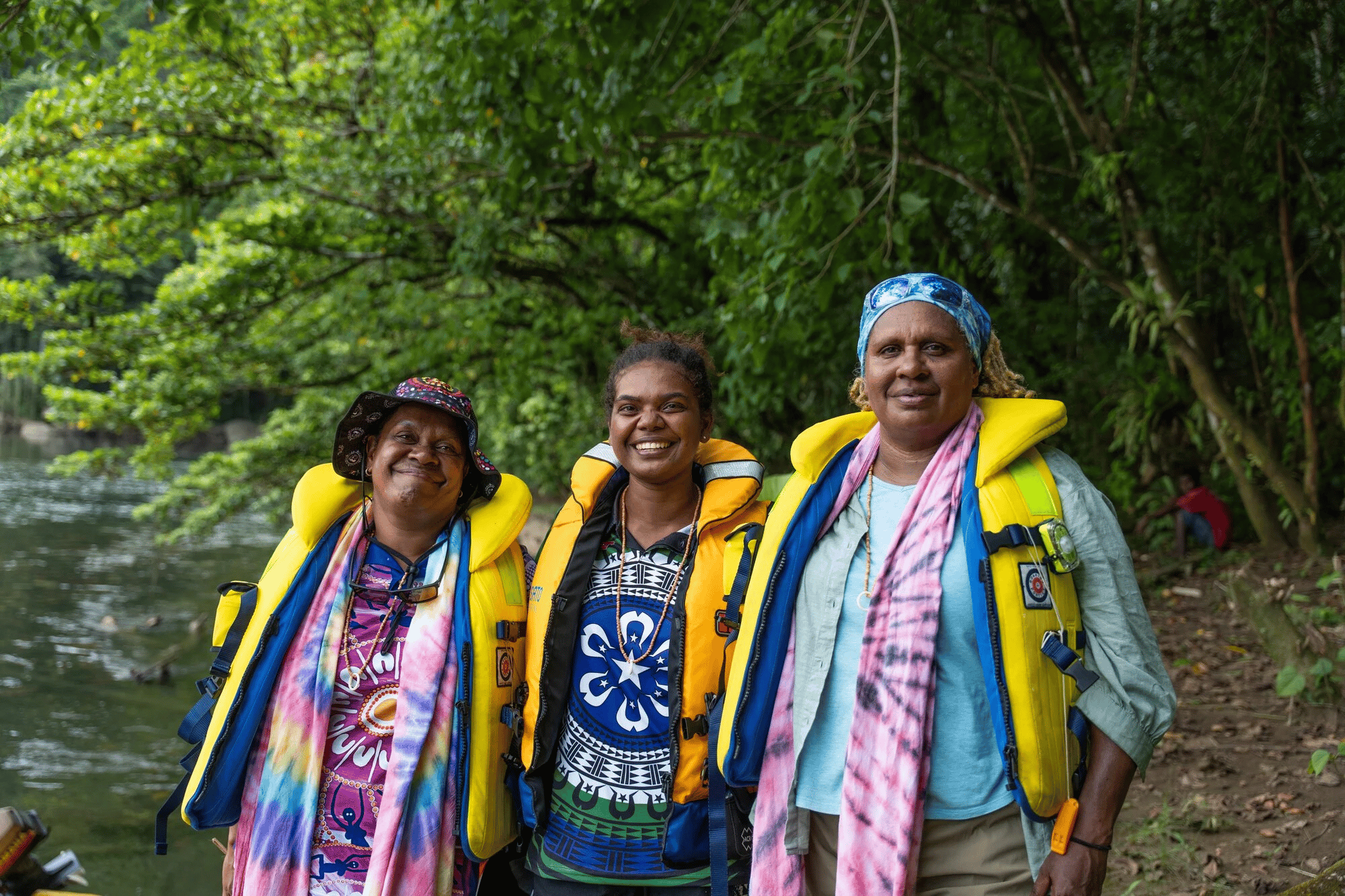
TSRA hosts reciprocal visit following February training in South Malaita, connecting 13 island ranger groups with 957 community-based conservation rangers. Photo credit: The Torres Strait Regional Authority (TSRA)
Torres Strait and Solomon Islands Rangers Complete Three-Week Exchange on Conservation Practices
|
Solomon Islands Rangers Association members spent three weeks in Torres Strait from August 11-30, visiting Waiben (Thursday Island), Horn Island, and Boigu Island in the second phase of a First Nations-led knowledge exchange that began in February when TSRA rangers traveled to South Malaita. The program brought together rangers to share techniques in turtle and dugong management, seagrass monitoring, invasive species control, and traditional ecological knowledge documentation. Torres Strait Regional Authority operates 13 ranger groups across 14 communities with a workforce that is 84 percent Torres Strait Islander and Aboriginal, supported by $75 million in federal funding over seven years secured in 2021. SIRA currently supports approximately 957 rangers working across 67 community-based conservation areas, including legally declared protected areas like Sirebe and Siporae Tribal Forest Conservation Areas in Choiseul Province.
|
|
The exchange is part of Indigenous Pathways, an Indigenous-led component of the Australian Government-funded Australian Volunteers Program. TSRA rangers demonstrated how they combine traditional knowledge with western science across 240 square kilometers of land and sea within the Kaiwalagal Archipelago, with activities including cultural site monitoring and biosecurity patrols. SIRA was established in 2014 as Oceania's first rangers association outside Australia and gained full membership in the International Rangers Federation in 2021. Albert Kwatelae, founding member of SIRA, noted the connection between community and ranger groups, while SIRA's Christina Raenaitoro praised the structured team approach that maintains focus on community outcomes despite challenges. The exchange will be featured in an upcoming eight-part ABC documentary series about Australians working with people in Asia-Pacific regions.
|

Government to finance price subsidies through special account funded by TDL tax and 20% of customs duties. Photo credit: Tahiti Infos
French Polynesia Creates Fund to Combat High Cost of Living Using Import Taxes
|
French Polynesia's government is establishing a special account called the "Fund to Combat High Costs and Develop Competition" in 2026, financed by all revenues from the TDL tax and approximately 20% of customs duties. The fund will finance public policy actions to combat high costs and improve purchasing power, supporting measures that directly increase purchasing power through product price support. The move addresses French Polynesia's exceptionally high cost of living, with the territory ranked as having the third most expensive Big Mac in the world at $4.00, behind only Switzerland and Sweden, and overall living costs approximately 24% higher than the United States.
|
|
The Brotherson government intends to use the fund to partially finance international freight costs for essential products (PPN), domestic freight costs for territorial continuity, a discount card for low-income households on certain essential products, flour support mechanisms, and the new Tama'a Maita'i program. The Tama'a Maita'i initiative, which recently received an unfavorable opinion from the Economic, Social, Environmental and Cultural Council (CESEC), would provide 18,000 CFP francs (approximately $164) per month to territorial civil servants and private sector employees to purchase local products, with costs split 50-50 between the government and workers. The program requires prepared meals to contain at least 2% local products, though critics question the feasibility of verification and express concerns about imposing the 18,000 CFP cost burden on private employers.
|
|
The government says the special account aims to provide "greater visibility and complete transparency on the resources and actions implemented by the territory in this area" and to accelerate the transition toward food sovereignty, offering "sufficient quantity and quality products at affordable prices to the population". French Polynesia's economy relies heavily on imports, with customs duties representing a significant portion of tax revenue in a jurisdiction that has no personal income tax, wealth tax, or inheritance tax. The fund consolidates existing and future economic measures affecting consumer prices into a single transparent account as the territory struggles with prices that make basic goods substantially more expensive than in most developed economies.
|
Kiribati Activates Starlink Community Gateway While Awaiting Submarine Cable Completion
BwebwerikiNET monitors satellite service performance ahead of November 2025 East Micronesia Cable arrival, targeting 100,000 residents across three Pacific nations.
|
BwebwerikiNET Limited, the state-owned telecommunications company, activated Starlink Community Gateway services for internet transit this month, though the system remains under performance monitoring to establish stability and reliability metrics before formal integration into the operational network. The gateway offers speeds up to 10 Gbps with pricing starting at $75,000 per gigabit per month and a $1.25 million upfront cost. This wholesale pricing buys sustained network capacity measured in gigabits per second—the ability to transfer data at 1 Gbps continuously. Approximately 1,500 Kiribati residents have already obtained temporary satellite ground station licenses from the Communications Commission to operate individual Starlink kits, with some remote users reporting download speeds exceeding 100 Mbps. BwebwerikiNET manages the Southern Cross NEXT Cable Landing Station on Kiritimati Island and the upcoming East Micronesia Cable System station.
|
|
The East Micronesia Cable stretches approximately 2,250 kilometers from Tarawa to Pohnpei and connects to the existing HANTRU-1 cable, providing initial provisioned channel capacity of 100 Gbps. The cable is expected to be ready for service in November 2025, with completion expected to provide faster, higher quality and more reliable internet to more than 100,000 people across Kiribati, Nauru, and the Federated States of Micronesia. Australia is contributing up to AUD 65 million of the AUD 135 million project through the Australian Infrastructure Financing Facility for the Pacific, with additional funding from Japan and the United States. Starlink has deployed similar community gateways in Nauru, Tuvalu, FSM Telecom in Micronesia, Rwanda's Broadband Systems Corporation, northern Canada's Kativik Regional Government, and the Galapagos Islands through CNT. The gateway provides BwebwerikiNET with redundancy options while the nation waits for its first direct submarine cable connection to South Tarawa.
|
PRESENTED BY LANI MOKOSOI
FILMING IN FIJI?

|
I’ve spent more than two decades working in Fiji’s film industry, and I know how to get things done on the ground. Whether you need locations, approvals, transport, or crew, I’ll make sure your production runs seamlessly.
|
|
I’m here to take the stress out of filming in Fiji — so you can focus on the creative work.
|
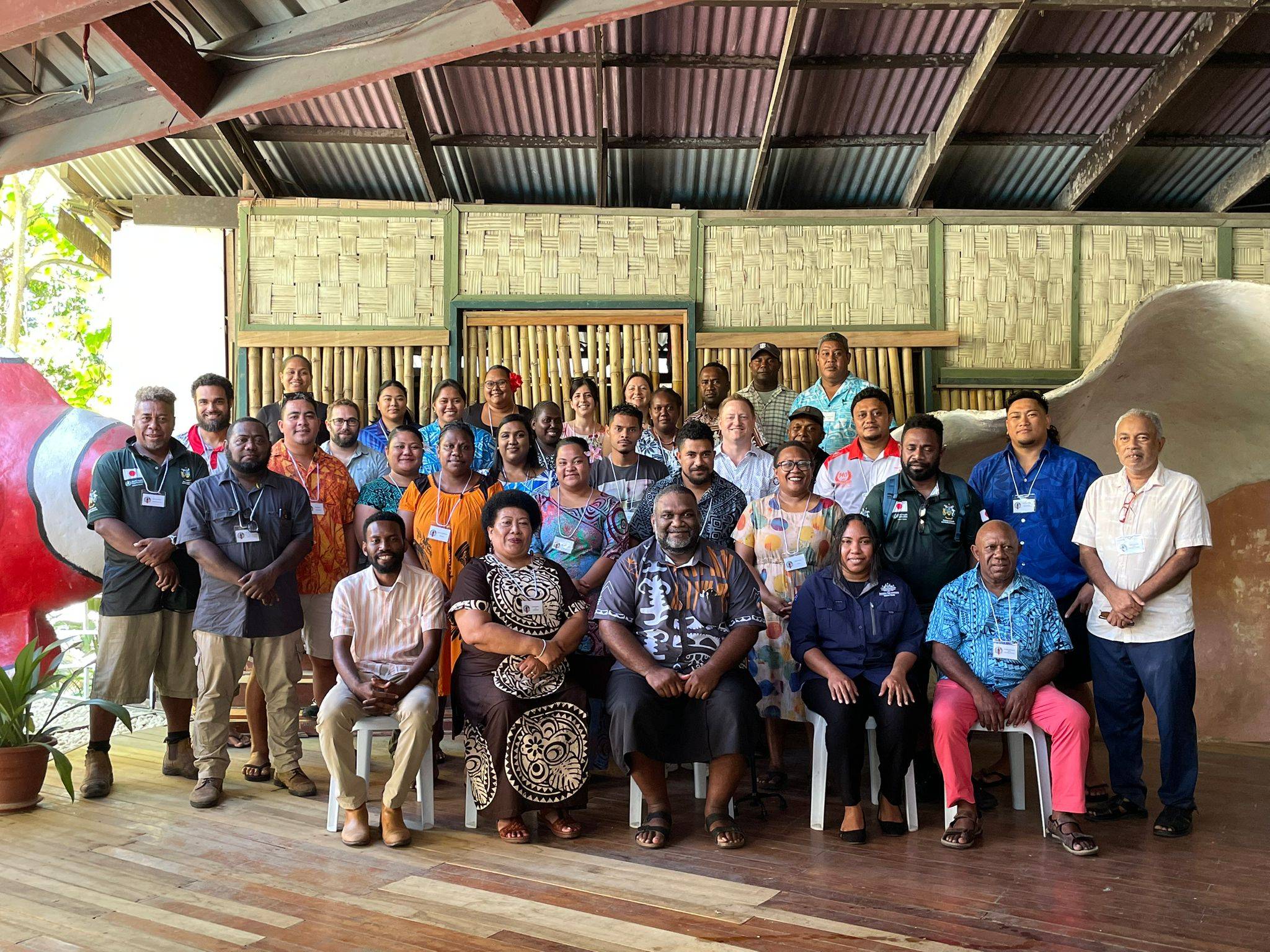
James Cook University leads workshop teaching mosquito surveillance techniques to representatives from 16 nations following one of the worst dengue outbreaks in a decade. Photo credit: PacMOSSI
Pacific Health Workers Train in Honiara After Region Records 16,500 Dengue Cases, 17 Deaths
|
Health inspectors, environmental health officers, and researchers from 16 Pacific countries gathered in Honiara this month for the PacMOSSI program's "Aedes Surveillance for Action" workshop, hosted with the Solomon Islands Ministry of Health and Medical Services. Pacific health data shows more than 16,500 laboratory-confirmed dengue cases and 17 deaths recorded in 2025 so far, part of what experts describe as one of the region's worst outbreaks in a decade. Fiji reported nearly 11,000 suspected cases with several deaths, while Tonga documented more than 845 confirmed cases and three dengue-related deaths since February. The training focused on catching, identifying, and analyzing Aedes mosquitoes that transmit dengue, chikungunya, and Zika, then applying that data to design control strategies.
|
|
The workshop was delivered by faculty from James Cook University in Cairns, QIMR Berghofer Medical Research Institute in Brisbane, Institut Pasteur New Caledonia in Noumea, and Solomon Islands National University, bringing together classroom instruction, laboratory analysis, and field site work. Both DENV-1 and DENV-2 dengue virus types remain active in some island nations according to regional disease surveillance maps, while countries like Kiribati, Nauru, Tuvalu, Cook Islands, and French Polynesia are under alert. The PacMOSSI program receives support from the Australian Government through Partnerships for a Healthy Region, along with the French Government, New Zealand Government, and European Union through the Pacific Community. Participants returned home equipped to detect changes in mosquito populations, including growing insecticide resistance, with lessons learned in one country now able to inform rapid response in others as climate change creates hotter and wetter conditions that expand mosquito habitats across the Pacific.
|
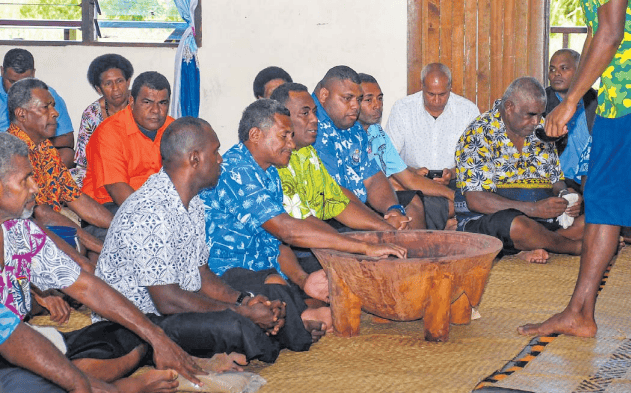
Fiji Prime Minister emphasizes good judgment over formal rules while permitting moderate consumption at village government engagements. Photo Credit: Reinal Chand / Fiji Times
Rabuka Says Supervisors Must Regulate Civil Servants' Kava Drinking, Rejects Formal Policy -
Fiji
|
Fiji Prime Minister Sitiveni Rabuka said kava consumption by civil servants in government offices must be regulated by supervisors, but rejected calls for a formal policy, stating "good judgement should be exercised in the workplace." He permitted staff to drink kava in moderation at working events outside the office, particularly in government engagements within villages, explaining "This is during working hours. We can't just leave the people there and then go."
|

Territory spent $6 million on emergency program when SNAP froze in November during longest government shutdown in U.S. history. Photo credit: Frank San Nicolas / The Guam Daily Post
Guam to Receive Federal Reimbursement for Local Food Assistance After 43-Day Shutdown
|
The U.S. House of Representatives passed a government funding package on November 12 by a vote of 222-209, ending a 43-day shutdown that began October 1—the longest government shutdown in U.S. history. Guam Delegate James Moylan announced that the government of Guam will be reimbursed for a local food assistance program launched to cover for the Supplemental Nutrition Assistance Program, which was suspended in November during the shutdown. Shortly after the U.S. Department of Agriculture's October 10 SNAP suspension announcement, the Legislature passed and the governor signed a $12.3 million appropriation from unobligated excess revenue collected in fiscal year 2025 for the Guam Food and Assistance Benefits program. The Department of Public Health and Social Services distributed 50% of the GFAB benefits on November 1 to an estimated 43,000 program applicants, meaning approximately $6 million will be reimbursed by the federal government.
|
|
The shutdown was the 11th government shutdown that resulted in federal employees being furloughed, and Democrats in the Senate opposed the Republican appropriations bill because it did not include an extension of expanded Affordable Care Act subsidies that were scheduled to expire in November 2025. By October 20—day 20 of the shutdown—the USDA warned that approximately 42 million Americans could lose food assistance beginning in November, as SNAP only had contingency funding available through the end of October with an estimated $2 billion shortfall for November benefits alone. At least 670,000 federal employees were furloughed, while roughly 730,000 continued to work without pay, and by the time appropriations were passed on November 12, nearly 3 million paychecks had been withheld from federal civilian employees, representing almost $14 billion in missing wages. The Congressional Budget Office estimates the crisis will cost the U.S. economy at least $7 billion by the end of 2026.
|
|
Moylan also announced that Guam has secured approximately $54 million in community project funding for road and bridge repairs, expanded support for homelessness, an emergency center to strengthen resilience against typhoons, and a mobile command center to enhance public safety. Under the direction of Speaker Johnson, Moylan and other House members had spent the last seven weeks at home for "district work" while they awaited passage of a funding bill by the Senate, and Moylan left Guam Tuesday afternoon for a 27-hour journey back to Washington. The shutdown ended when eight moderate Senate Democrats crossed the aisle to vote to reopen the government until late January in exchange for a separate Senate vote on health insurance credits, with six mostly moderate House Democrats voting in favor of the Senate-passed deal.
|
Samoa Mandates Measles Vaccination for All Arriving Travelers
Health ministry responds to rising cases in Australia and New Zealand with requirement for visitors 12 months and older.
|
Samoa's Ministry of Health requires all travelers entering the country, from infants aged 12 months and above, to have received at least one dose of a measles-containing vaccine at least two weeks before arrival. Infants under 12 months of age and pregnant mothers are exempt from this requirement. Acting Director General of Health Tagaloa Dr. Robert Thompson said the advisory responds to increasing measles cases in New Zealand, Australia, and other neighboring countries, aimed at preventing importation of the disease.
|
|
Australia has recorded 147 measles cases in 2025, with 53 in Western Australia, 35 in Victoria, and 28 in New South Wales, while New Zealand reported cases in Northland, Auckland, Manawatu, and Nelson with an escalating national risk. Travelers showing measles symptoms—fever, dry cough, red or watery eyes, runny nose, or a blotchy rash—are advised to defer travel until fully recovered, and those identified with symptoms upon arrival will be assessed and detained under public health regulations. The requirement recalls Samoa's 2019 outbreak, which resulted in over 5,700 cases and 83 deaths from September 2019 to January 2020, following a sharp drop in vaccination rates from 90% in 2013 to 31-34% in 2018 after two children died from incorrectly prepared vaccines.
|
PRESENTED BY VONU STUDIOS
Children's Book: Vonu and the Druas Play Hide and Seek

|
Join Vonu the turtle and the stingray twins, the Druas Vai and Fai, in an exciting game of hide and seek! A heartwarming story filled with fun and adventure, perfect for young readers. Get your copy today!
|
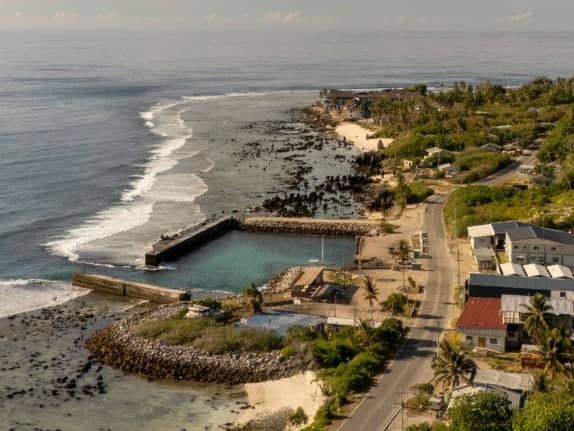
Government raises fortnightly payments effective November 6, with 75-plus age group seeing largest increase from $385 to $600. Photo credit: Advance Nauru
Nauru Increases Senior Citizen Allowances Up to 56 Percent Across All Age Groups
|
Nauru's government revised fortnightly allowances for all citizens aged 60 and above, effective November 6, following Cabinet consultation led by President David Adeang. Those aged 60-69 now receive $400 per fortnight, up from $335, representing a 19 percent increase. The 70-74 age group receives $500, up from $385, while those 75 and older receive $600, increased from $385—a 56 percent rise. The "Young at Hearts" group, comprising Nauruans who survived the World War II Japanese occupation, receives an additional $500 supplement on top of their base allowance, bringing their total to $1,000 per fortnight. This group was the first to receive fortnightly allowances when the program began following the Global Financial Crisis in the mid-2000s.
|
|
The allowance increases come as Nauru operates with a 2024-25 budget recognizing $311.3 million in expected revenues against $348.7 million in expenditure, creating a $37.5 million deficit financed through cash reserves from the previous year's surplus. The nation's GDP stands at approximately $160 million with a population of 11,875, yielding a GDP per capita of roughly $13,287 as of 2022. Nauru receives significant foreign aid, with more than 90 percent of official development finance in 2023 coming from Australia (57 percent), Japan (29 percent), and New Zealand (5 percent). The government introduced income tax for the first time in October 2014 at a flat 10 percent rate for high earners, while also imposing excise taxes on cigarettes, imports, and sugary foods to combat the nation's diabetes epidemic. The Regional Processing Centre, funded by Australia, remains a significant source of government revenue alongside fishing license fees from Nauru's territorial waters.
|
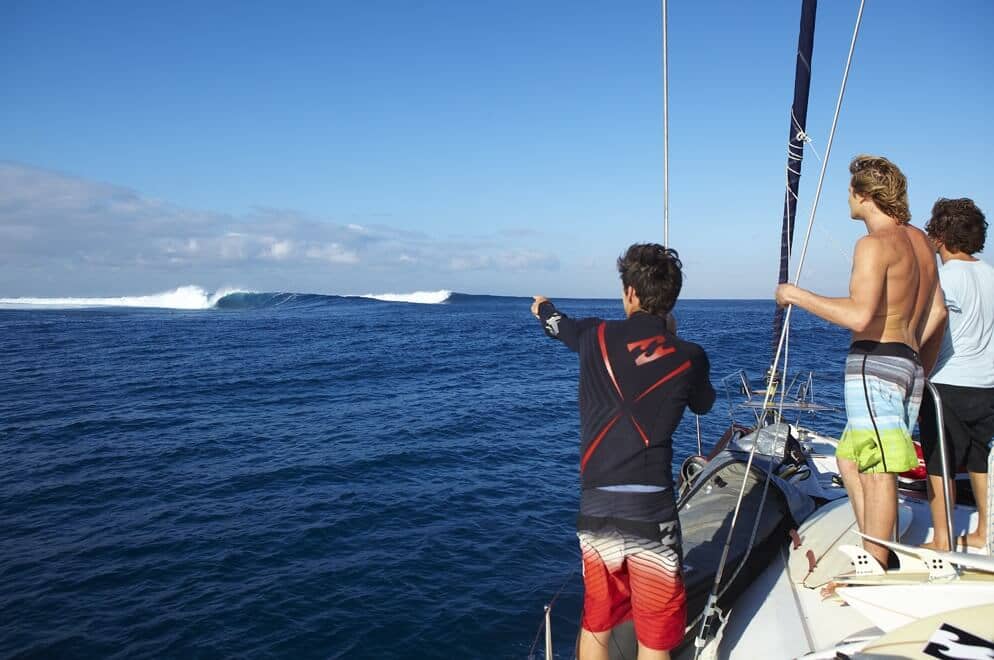
Commercial Use of Marine Areas Bill 2025 will repeal legislation that transferred all surfing areas to government without compensation. Photo credit: Fiji Times
Fiji Moves to Reverse 2010 Surf Break Nationalization, Return Control to Indigenous Owners
|
Fiji's Cabinet has approved the Commercial Use of Marine Areas Bill 2025 for parliamentary debate, which will repeal the Regulation of Surfing Areas Act 2010 enacted under former Prime Minister Frank Bainimarama. The 2010 Act transferred ownership of all surfing areas to the government's Lands Director without compensation, ending exclusive access arrangements that had existed at popular surf breaks. Bainimarama's government justified the legislation as necessary to grow Fiji's surf tourism industry by opening breaks like Cloudbreak and removing exclusivity, with then Attorney-General Aiyaz Sayed-Khaiyum arguing it enabled locals to participate in the industry. Prior to 2010, three villages—Nabila, Yako, and Nadroga—collected fees from Tavarua Island for exclusive access to their qoliqoli (traditional fishing grounds), with estimates suggesting the villages have foregone $12 million since the Act passed. Fiji has 411 registered qoliqoli covering approximately 30,011 square kilometers, extending from the foreshore to the outer edges of fringing reefs.
|
|
The new legislation will return proprietary ownership of marine areas used for commercial tourism to customary iTaukei owners under what the government describes as a fair and equitable framework following principles of natural justice. The reversal comes after President Sitiveni Rabuka's government began reviewing traditional customs dismantled during Bainimarama's 16-year tenure, including reforming the Great Council of Chiefs. The 2010 Act led to increased surf tourism infrastructure, with indigenous boat owner Uri Kurop noting that most boats operating in surf areas are now iTaukei-owned. However, the original 2006 Qoliqoli Bill, which attempted to formalize partnerships between tourism operators and traditional fishing rights holders, was one factor leading to the 2006 military coup that brought Bainimarama to power. Surfing contributes over 70 percent of tourism revenue in some Pacific island nations according to industry data, with global surf tourism projected to grow from $3 billion in 2022 to $5.4 billion by 2032. The World Surf League returned competitions to Cloudbreak under a 2024-2027 agreement.
|
Vanuatu Airspace Revenue Unclear as Fiji Maintains Control Over Upper Airspace
Minister unable to confirm revenue amounts from arrangement where Vanuatu receives 2.5% share of Nadi FIR fees while Fiji retains 92-93%.
|
Vanuatu's Minister of Infrastructure confirmed that Fiji continues to manage Vanuatu's airspace, as it does for several Pacific Island nations, but said he did not have the exact amount of revenue—or whether any is currently being collected—under this arrangement, responding to a parliamentary question about whether Vanuatu benefits financially from foreign airlines crossing its airspace daily.
|
|
Under the revenue sharing arrangement, Vanuatu receives 2.5% of Nadi Flight Information Region fees, Kiribati 1.47%, Tuvalu 0.59%, New Caledonia 1.58%, and Fiji retains around 92-93%, with the amount paid to each country not based on aircraft flying over each country's airspace but on revenue from the entire FIR under Nadi divided in these shares. A 2003 ICAO report found that Airports Fiji Limited incurs 92.5% of the costs for delivering services in the upper airspace of the Nadi FIR and therefore receives this proportion of revenue, with the other four states receiving a proportionate share of the remaining 7.5%, though this model does not reflect the volume of airspace that each state contributes to the FIR or the number of aircraft flying over their sovereign territory.
|
|
Vanuatu received over 50 million vatu (approximately $466,000) in 2017, a 300% increase from five years earlier when it received only 9-10 million vatu ($84,000-$94,000) annually, following negotiations to review the agreement with Fiji rather than breaking away. States with airspace services provided by Airservices Australia or Airways New Zealand receive substantially greater income than those within the Nadi FIR, with Brisbane FIR having a 40-60 arrangement and Auckland FIR a 50-50 share arrangement with Pacific nations. Vanuatu has acknowledged it lacks the infrastructure and human resources to independently manage its upper airspace, while ICAO has cautioned against fragmenting existing FIRs into smaller sections, though Port Vila says renegotiation aims to boost its share of airspace revenue and increase its role in management.
|
SPOTLIGHT
Fiji Hosts Regional Human Rights Forum After 19-Year Absence Following Coup Fallout
 Commission seeks A-status accreditation under Paris Principles as it rebuilds credibility lost after supporting 2006 military takeover. Photo credit: Pacific Media Network
|
Fiji's Human Rights and Anti-Discrimination Commission hosted the 27-member Asia Pacific Forum's 30th Annual General Meeting this month, marking the country's return to the regional body after a 19-year gap. The commission last hosted the forum in 2006, shortly before it was suspended from the Asia Pacific Forum and the International Co-ordinating Committee in 2007 over its support for the previous year's military coup, with a review stating the commission "lacked both credibility and independence".
|
|
Commission chairwoman Shaista Shameem expressed support for the 2006 coup and commissioned an inquiry into the 2006 general election that identified deficiencies and anomalies, arguing the military takeover was justified. The commission was readmitted to the Commonwealth Forum of National Human Rights Institutions in 2022 after a 15-year absence, and in June 2021 was accredited with B status by the Global Alliance of National Human Rights Institutions.
|
|
Commission Director Loukinikini Lewaravu said the meeting provides a platform to push for A-status accreditation under the United Nations Paris Principles, which the commission has yet to fully comply with. Chief Justice Salesi Temo told delegates that human rights in the Pacific are deeply intertwined with challenges such as climate change, social inclusion, and governance, stating "this forum is not just about Fiji.
|
|
It's about strengthening the rule of law and human rights across the entire region". The commission is working with communities who have identified access to fresh water as a priority human rights issue. The return follows years of rebuilding after the 2006 coup led by Commodore Frank Bainimarama, who overthrew Prime Minister Laisenia Qarase's government. Two people died during military detention after the coup, and the army admitted that 1,193 people had been "disciplined" at barracks for speaking out against the military.
|
|
Sepesa Rasili, president of the Fiji Council of Social Services, has warned about shrinking space for civil society engagement, noting "safe civil spaces are shrinking as governments increasingly limit the effective recognition and engagement of leaders across civil society and communities".
|
|
The 2024 Rabuka government has taken steps to address past abuses, establishing a Truth and Reconciliation Commission to inquire into the 1987, 2000, and 2006 coups. The commission's hosting of the forum represents an effort to demonstrate Fiji's commitment to meeting international human rights standards after nearly two decades of isolation from regional bodies.
|
|
|
Help Us Improve The Oceanian
We’d love to hear your thoughts—reply to this email and tell us what you enjoyed or want more of.
|
OCEANIAN MAKING WAVES
USP Researcher Screens Heat-Tolerant Tomato and Capsicum Varieties for Samoa as Climate Shifts Threaten Crops
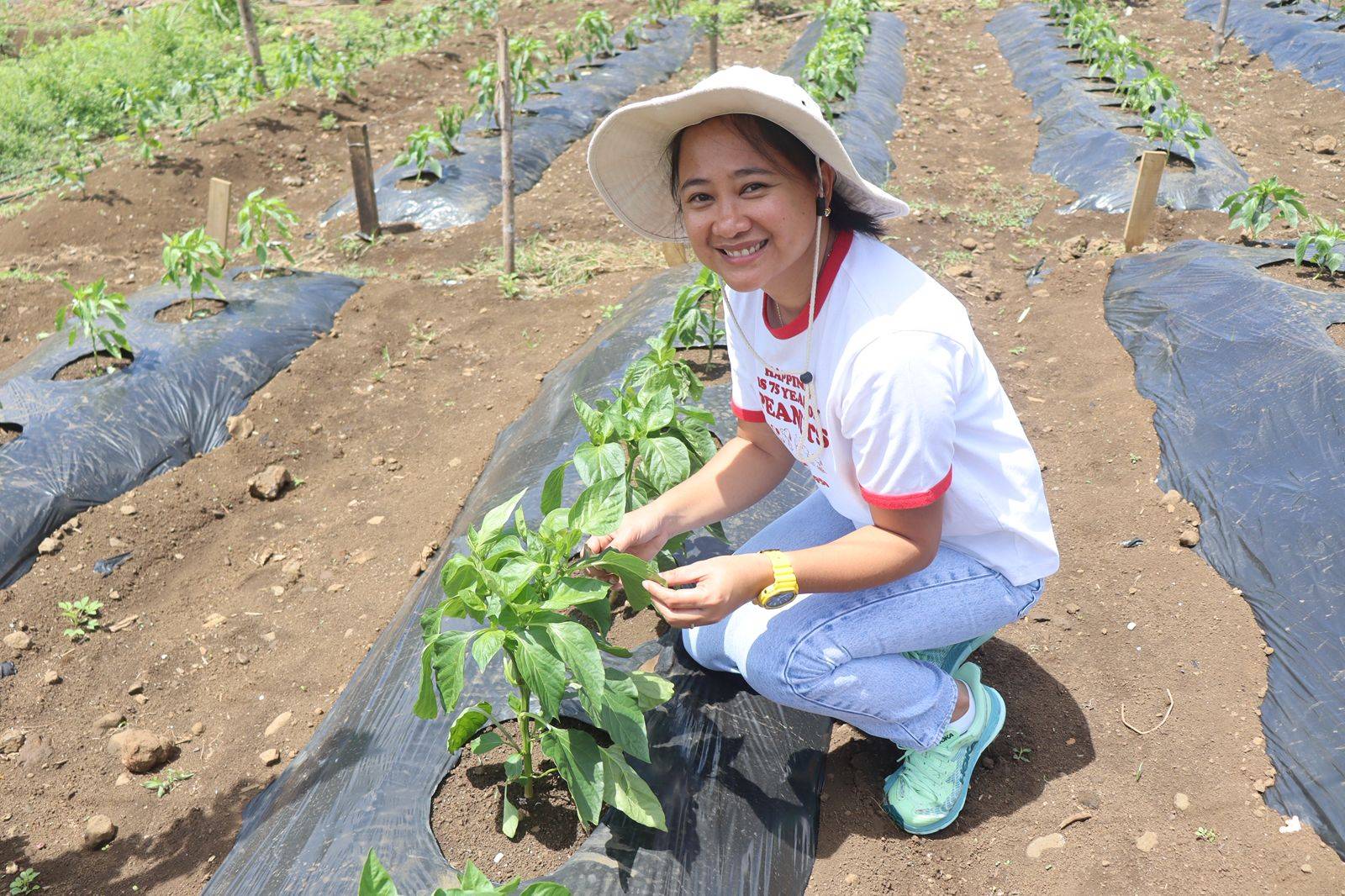 Study addresses limited availability of quality local planting materials that have hindered production and driven import dependence. Photo credit: USP
|
Dr Leslie Toralba Ubaub, a lecturer in Agriculture and Food Technology at the University of the South Pacific's Samoa Campus, has been awarded the 2025 Vice-Chancellor and President's Strategic Fund for Female Academics, providing six months of teaching release to focus on publishing research on heat-tolerant tomato and capsicum varieties suited to Samoan conditions.
|
|
Her research, funded through the Pacific Agriculture Scholarships, Support and Climate Resilience programme under ACIAR and the PEGASUS 'Take-It-Further' Project under Future Earth Organisation, evaluates heat-tolerant lines developed by the World Vegetable Center in Taiwan in partnership with Sunshine Pacific Ltd. From 10 tomato and 12 capsicum lines initially screened, five heat-tolerant lines have been selected and are currently being evaluated in farmers' fields, with findings to guide mass production and distribution of open-pollinated seeds.
|
|
The work aims to address limited availability of quality, locally produced planting materials, which have long hindered vegetable production in Samoa, where agriculture employs two-thirds of the labor force but furnishes only 9% of exports, with the country heavily dependent on vegetable imports.
|
|
The research examines how shifting weather patterns affect crop yield and quality, analyzes changes in pest populations and disease outbreaks under varying climatic conditions, and explores how local farmers understand and respond to climate-related challenges. Ubaub, an entomologist and beekeeper, first explored climate change impacts through her 2023 Future Thinker's Award project on extreme temperatures' effects on pollinators and plant reproduction, with her work evolving into a study linking pollination, pest management, and heat tolerance in vegetables.
|
|
Climate change in Samoa has increased the frequency and length of extreme climatic events that adversely impact agricultural production, leading to crop loss and soil erosion, while raising concerns about climate-related vector-borne, food-borne and water-borne diseases. A large share of the existing demand for fruits and vegetables in Samoa is being met by imports, with scope for encouraging domestic production to reduce the country's import dependence.
|
|
Developing locally adaptable, open-pollinated varieties will ensure farmers have access to affordable, reliable seeds and reduce reliance on costly hybrid imports, Ubaub explained, noting "The pandemic highlighted how critical local food production is for island nations." The next phase will expand field trials to different agro-climatic zones across Samoa and neighboring Pacific Islands, working with local seed producers and government agricultural agencies to establish a system for community-based seed multiplication and distribution.
|
|
The Pacific has undergone a 'nutrition transition' with increased dependence on bulk imported processed foods, weakening the diversity of local food production and contributing to rising rates of non-communicable diseases such as obesity, diabetes, and heart disease. The project involves laboratory technician and Master's student Michael Sefilino and several student interns, with collaborations including Professor Daniel Tan from the University of Sydney and Drs Derek Barchenger and Assaf Eybishitz from the World Vegetable Center in Taiwan.
|
QUICK TAKES
- Vanuatu and France held their first formal negotiations in Port Vila on November 21, 2025, concerning the sovereignty dispute over Matthew (Umaenupne) and Hunter (Umaeneg-Leka) islands, which both countries claim. The talks involved Vanuatu's Prime Minister Jotham Napat, Vice-PM Johnny Koanapo, and a French delegation led by Benoît Guidée from the French Ministry of Foreign Affairs. Both sides discussed the implications for maritime boundaries and exclusive economic zones surrounding the islands. Vanuatu emphasized the cultural and economic connection of its indigenous people to the islands, citing obligations to protect their heritage. The negotiations follow discussions in Paris between French President Emmanuel Macron and Napat in July 2025, with a second round planned in France in early 2026. Historically, France annexed the islands in 1929, managed as part of New Caledonia, but Vanuatu contests this claim, asserting their traditional ties through local chiefs and past agreements with New Caledonian Kanak leaders.
|
FUNDING OPPORTUNITIES
-
NZ Film Industry Development Funding
|
The New Zealand Film Commission (NZFC)
is offering Industry Development Funding to support New Zealand screen sector organisations, companies, or collectives in delivering programmes that develop craft and practice within the film industry.
|
|
Key Details:
-
Purpose: To foster skill development, project initiatives, and talent within the New Zealand film sector.
-
Eligibility: Open to New Zealand-based screen organisations, companies, or collectives registered in New Zealand.
Funding Strands:
-
Strand 2 (up to $30,000): Applications opened on Monday, July 14, 2025 and remain open until June 30, 2026, or until funds are exhausted.
How to Apply: Applications are submitted via the NZFC's online application portal.
For full details on application criteria and guidelines, please visit the official NZFC website:
Industry Development Funding.
|
Was this email forwarded to you? Sign up here:
|
|