|
Know what’s happening across Oceania—before your coffee’s cold.
TODAY IN OCEANIA
Today is International Men’s Day!
International Men’s Day, observed on 19 November, celebrates the positive contributions men make in their families, communities, and workplaces. It’s a reminder to support men’s wellbeing, encourage healthy role models, and champion a culture where every man can thrive.
|
OCEANIA MARKETS
|
S&P/ASX 200
|
8,487.70
|
-1.72%
|
|
|
S&P/NZX 50 Index Gross
|
13,410.92
|
-0.65%
|
|
|
SPX STRI Fiji
|
9735.86
|
+0.54%
|
|
ASX 200 and NZX 50 Data Provided By:

|
|
*Market index data sourced from official exchange publications and financial data aggregators. ASX and NZX data reflect end-of-day figures from the Australian and New Zealand stock exchanges respectively. SPX (South Pacific Stock Exchange) figures reflect the most recent published data. Note: NZX and SPX figures include dividends (total return), while the ASX figure reflects share price movement only.
|
|
REGIONAL NEWS
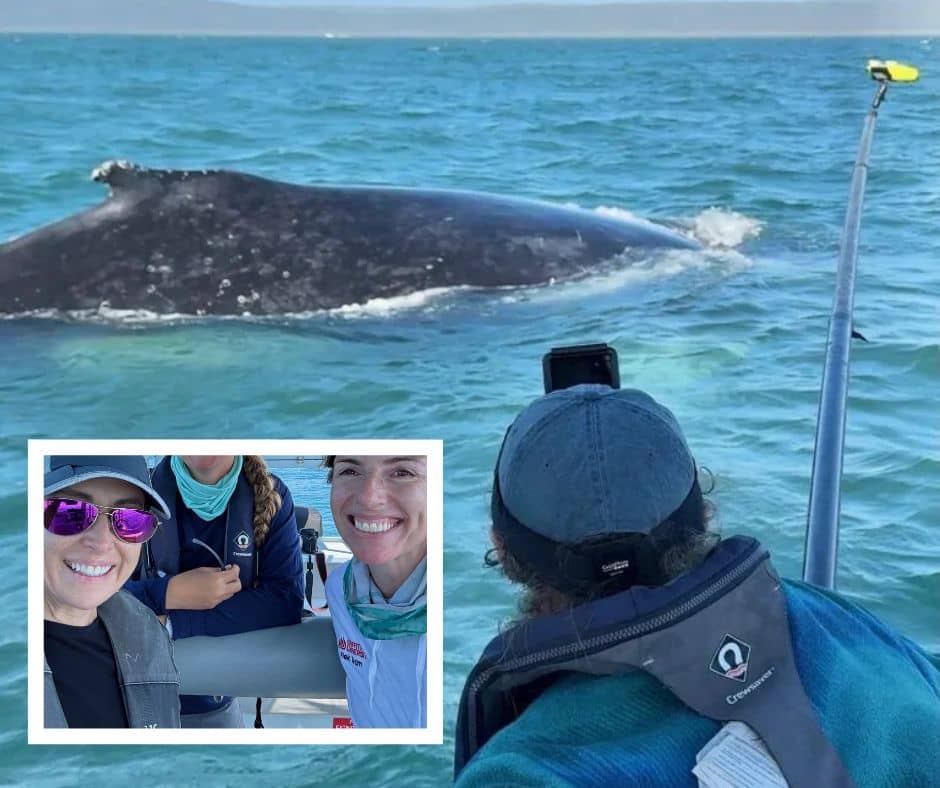
Griffith University team documents 35 hours of calf behavior data from Moreton Bay, revealing nursing in half of tagged individuals amid vessel traffic concerns. Photo Credit: Griffith University
Suction Camera Tags Capture First Underwater Footage of Humpback Whale Nursing in Australian Waters
|
Griffith University researchers deployed 13 suction camera tags on humpback whale calves in Moreton Bay across two seasons, capturing nursing behavior in approximately half of the tagged individuals and recording 35 hours and 37 minutes of combined video, acoustic, and fine-scale movement data. Research on humpback whale calves in Exmouth Gulf, Western Australia found calves spent 20.7 percent of total tagging time suckling while mothers rested at the surface or underwater, with mothers and calves spending approximately 35 percent of their time resting. Studies using CATS tags on US feeding grounds found successful nursing events averaged 23 seconds in duration and occurred at depths between 4.1 and 64.4 meters, with nursing comprising only 0.3 percent of 21 hours of video footage.
|
|
The Moreton Bay study, part of the ARC Linkage project "Life in the Shipping Lane" examining shipping disturbance risks, documented multiple mother-calf pairs socializing together, behavior not previously recorded in the bay. Australia's east coast humpback whale population has grown from an estimated 200 animals when commercial whaling ceased in the 1960s to around 30,000 today, increasing at 10-11.5 percent annually. Researchers observed high levels of recreational vessel traffic throughout Moreton Bay during both field seasons, including in areas where whales rested at the surface or in shallow waters and in direct boat transit zones, and documented multiple whales with propeller mark scars. Fifty-seven percent of vessel-caused deaths of marine wildlife in Queensland occur in Moreton Bay, which accounts for one-third of the state's recreational fishing effort despite having just three percent of Queensland's coastline.
|
|
Whales engaged in resting and nursing are less responsive to approaching vessels and therefore more susceptible to ship strikes, with vessel proximity and underwater noise potentially disrupting critical nursing and resting behaviors, while calves and young whales spending more time at the surface face elevated ship strike risk. Professor Susan Bengtson Nash stated the findings are directly relevant to planned Queensland government rezoning of Moreton Bay, emphasizing the need to assess the ecological, social, and cultural value of the bay to prevent degradation in favor of short-term financial gain. Moreton Bay Marine Park has the highest recorded diversity and abundance of resident and transient cetaceans in Australia, with humpback whales migrating through between June and October.
|
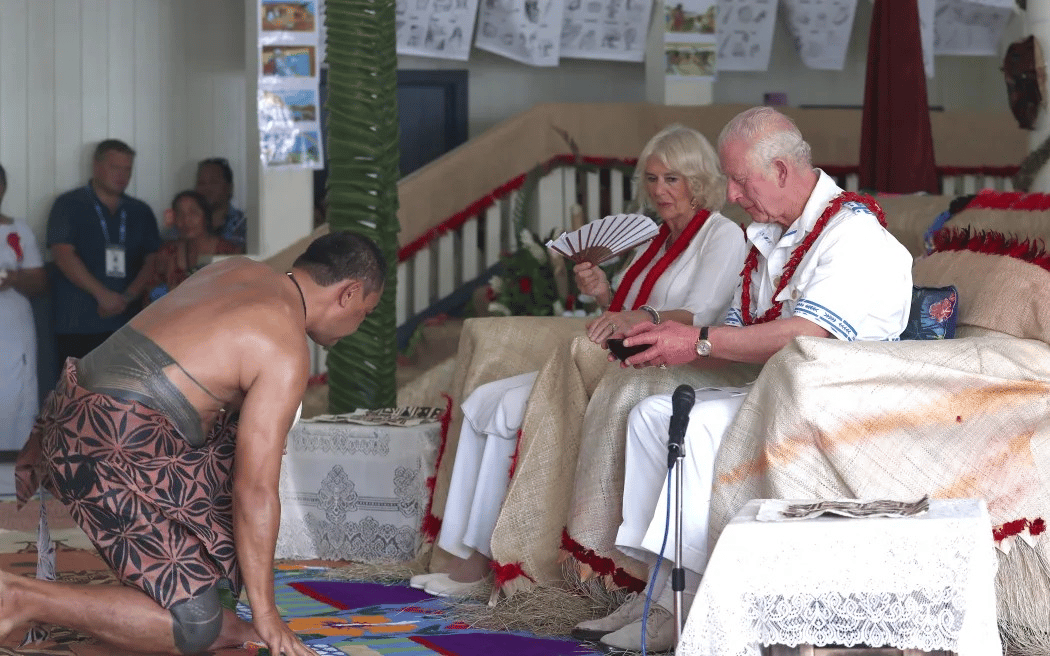
Royal Family adds 20-year-old organization to roster of 3,000 supported groups worldwide, following Queen's October 2024 visit during Commonwealth meeting. Photo credit: MANAUI FAULALO / RNZ
Queen Camilla Becomes Patron of Samoa's Only Provider of Shelter Services for Abuse Victims
|
Queen Camilla has agreed to become patron of the Samoa Victim Support Group, a non-governmental organization that supports vulnerable women and children who are victims of abuse, with the announcement made in celebration of King Charles's 77th birthday last week. Established in 2005, SVSG is the sole provider of temporary residential care for abused women and children in Samoa and operates several shelters including House of Hope (built 2012 for children aged 3-12), House of Dreams (built 2015 for female survivors 13 and older), and Ray of Hope Shelter (built 2016 for pregnant rape survivors), plus two schooling facilities at the Campus of Hope in Apia on government-leased land.
|
|
SVSG operates a 24-hour free helpline (800-7874) and applies for Interim Protection Orders to the Family Court for protection of people affected by family violence. In the first five months after the helpline launched in April 2013, the service answered more than 1,764 calls, 83 of which were life-threatening domestic violence cases requiring overnight shelter assistance and immediate evacuation, while close to 100 calls were received during the Christmas and New Year holiday period from December 23, 2023 to January 3, 2024, with 30 percent for domestic violence incidents and 70 percent seeking counseling on matters like family separation due to the Recognised Seasonal Employer scheme.
|
|
The 2019-20 Demographic and Health Multiple Indicator Cluster Survey found past year prevalence of physical, sexual and/or emotional intimate partner violence among women in Samoa was 31.4 percent, with 39.6 percent reporting lifetime experience of such violence. Almost nine in 10 Samoan women have experienced physical or emotional violence at the hands of family members, with six out of 10 experiencing intimate partner violence and one in five women raped.
|
|
Ninety percent of intimate partner violence in Samoa goes unreported according to the national Inquiry into Family Violence, with the Samoa Family Health and Safety Study of 2006 finding 86 percent believe their abuse is normal or not serious and 70 percent believed their abuse was justified. SVSG provides three advocacy programs: Men's Advocacy Program for male offenders, Tina Faufautua Program for female offenders, and Youth Empowerment Program for young offenders, with counseling programs for anger management, couple counseling, family group counseling, and alcohol and drug abuse. SVSG president Siliniu Lina Chang attended the special event hosted by the British High Commission where the confirmation was officially shared in the presence of the Head of State, government leaders, and members of the diplomatic corps, with SVSG stating it looked forward to strengthening partnerships and engagement over the next two years.
|
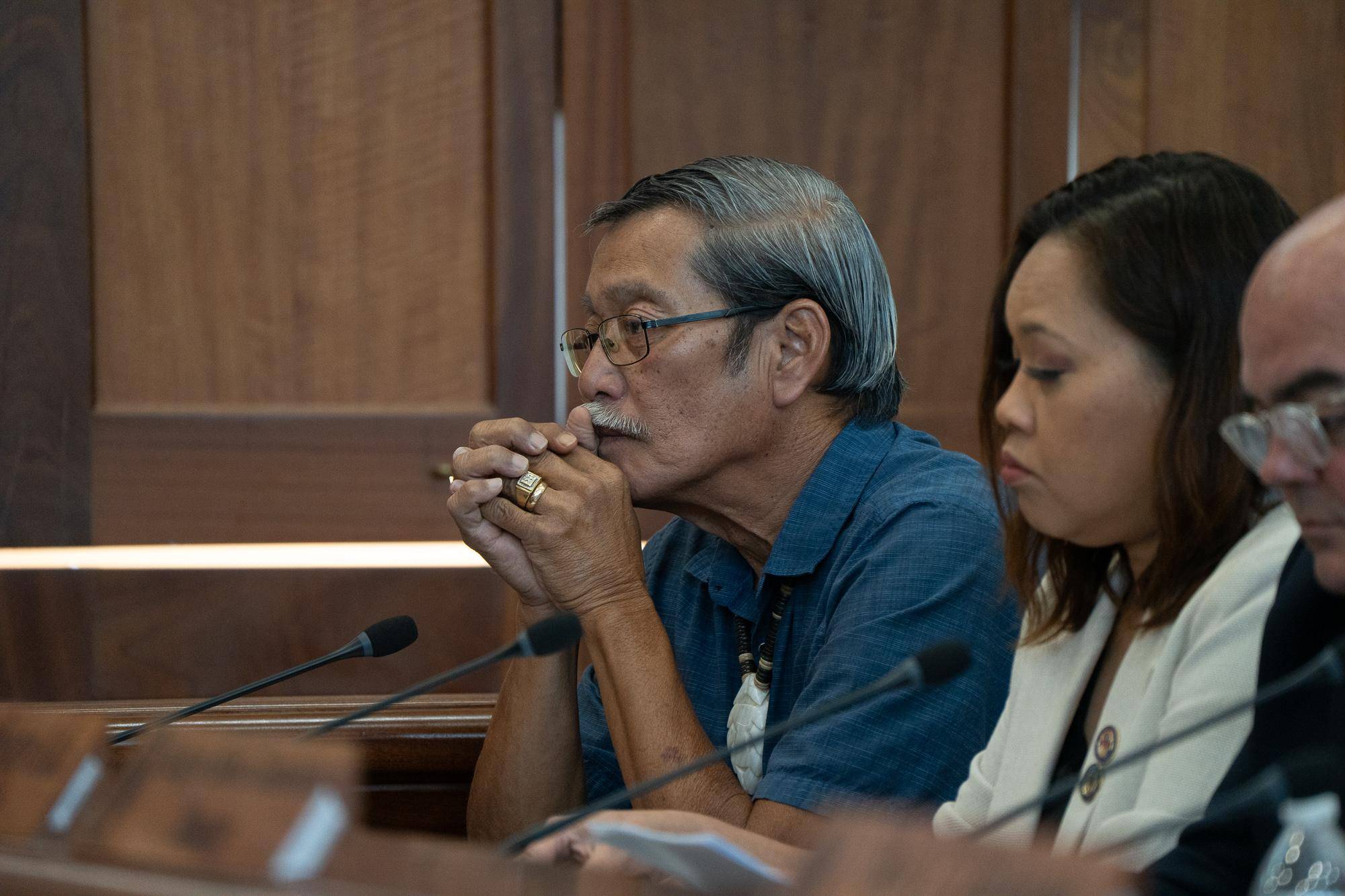
Legislation would link wage increases to Consumer Price Index, requiring annual calculations by government agencies. Photo credit: Skvler Obispo / Marianas Business Journal
Guam Senator Proposes Automatic Minimum Wage Adjustments Tied to Inflation
|
Senator Joe S. San Agustin has introduced legislation to establish automatic minimum wage adjustments based on Guam's Consumer Price Index, a mechanism already in place in 15 states and the District of Columbia. Under the proposed bill, the Guam Department of Labor or Bureau of Statistics and Plans would calculate the adjusted rate each December 31 using the fiscal year CPI average and inflation rate from the prior 12 months through December 1. The adjusted rate, rounded to the nearest 25 cents, would take effect the following March 1. The bill includes a safeguard: if the average CPI shows deflation in a given fiscal year, the minimum wage would remain unchanged rather than decrease.
|
|
Guam's current minimum wage sits at $9.25 per hour, unchanged since San Agustin's previous legislation in 2019 raised it from $8.25. The new measure would ensure workers' purchasing power keeps pace with price changes on the island without requiring repeated legislative action. Twenty states and DC now use inflation indexing for their minimum wages, with most basing adjustments on either the Consumer Price Index for Urban Wage Earners (CPI-W) or the Consumer Price Index for All Urban Consumers (CPI-U). The bill specifies that Guam's minimum wage would be the higher of either the locally calculated CPI-adjusted rate or the federal minimum wage of $7.25 per hour.
|
|
States with indexed minimum wages typically calculate annual adjustments based on August-to-August changes in the Consumer Price Index, though Guam's proposed system would use a December calculation. The approach addresses a longstanding issue with fixed minimum wages: without regular adjustments, inflation erodes purchasing power over time. San Agustin pointed to tax breaks provided to businesses and stated that prices have not dropped accordingly, framing the measure as supporting workers who face rising costs for housing, food, and other essentials measured in the CPI calculations.
|
Vanuatu Nears Completion of First Weather Radar System After Decades of Reliance on Regional Models
C-band Doppler radar will track local thunderstorms and measure rainfall intensity, capabilities previously unavailable to the Pacific island nation
|
Vanuatu's first C-band Doppler weather radar is approaching operational status after installation work at Klems Hill in West Efate, marking a shift from the manual observation network currently in use. The system will provide real-time, high-resolution visual weather data integrated into the Vanuatu Climate Information System, with forecast capabilities ranging from hours to days. Three engineers from the Vanuatu Meteorology and Geohazards Department completed 30 days of factory training in Finland on the Vaisala WRM200 dual-polarization radar, which uses magnetron transmitter technology. C-band radars distinguish between liquid and frozen precipitation within rain clouds and filter out non-meteorological targets from radar data, providing attenuation correction to maintain sensitivity despite heavy precipitation along the radar path.
|
|
The radar will track severe afternoon thunderstorms that the existing manual observation network cannot detect, determine rainfall intensity for flash flood warnings, and monitor volcanic ash cloud movement and coverage. The Vaisala Weather Radar WRM200 includes IRIS Focus remote sensing software for comprehensive views and alerts on storms, windshear, and precipitation patterns. The system's dual-polarization capability improves rainfall estimates and precipitation classification compared to single-polarization systems, which is relevant for agriculture, aviation, and disaster management sectors. The equipment includes a 22-meter radar tower with transmitter shell, diesel generator with backup power, uninterruptible power supply, and calibration equipment, with central servers and workstations housed at VMGD headquarters.
|
|
Vanuatu faces projected average annual losses of 20 percent of GDP from climate-related disasters, the highest rate among Pacific island nations. Analysis shows that at 1.5 to 2.0°C warming, tropical cyclone wind speeds will intensify and cyclone risk areas will expand beyond historical tracks in Vanuatu. The World Risk Index consistently ranks Vanuatu as the world's most vulnerable country to climate risks and natural disasters due to its location in the Pacific Ring of Fire and position in a cyclone belt. The radar is part of the Van-KIRAP project, a five-year USD 22 million program funded by the Green Climate Fund and implemented by the Secretariat of the Pacific Regional Environment Programme, with the radar component costing USD 3.19 million from combined Green Climate Fund, SPREP, and Vanuatu government funding. Once operational, Vanuatu will join Australia, Fiji, New Caledonia, and New Zealand as one of the few Pacific countries with weather radar capabilities.
|
PRESENTED BY VONU STUDIOS
Oceanian Animated Videos: Pawpaw Kids TV
|
Pawpaw Kids TV is a YouTube channel dedicated to engaging and educational content for children, with a specific focus on the Oceanian region. The channel features the Pawpaw Explorers—Illy the Iguana, Mo the Mongoose, and other animated characters—who embark on adventures that introduce young viewers to local wildlife, ocean currents, and cultural stories.
|
|
Pawpaw Kids TV offers a Pacific blend of entertainment and learning, making it a valuable resource for children to explore the rich cultures and natural wonders of the Oceania region. Simply scan the QR code to visit the Pawpaw Kids TV YouTube channel or click this link:
|
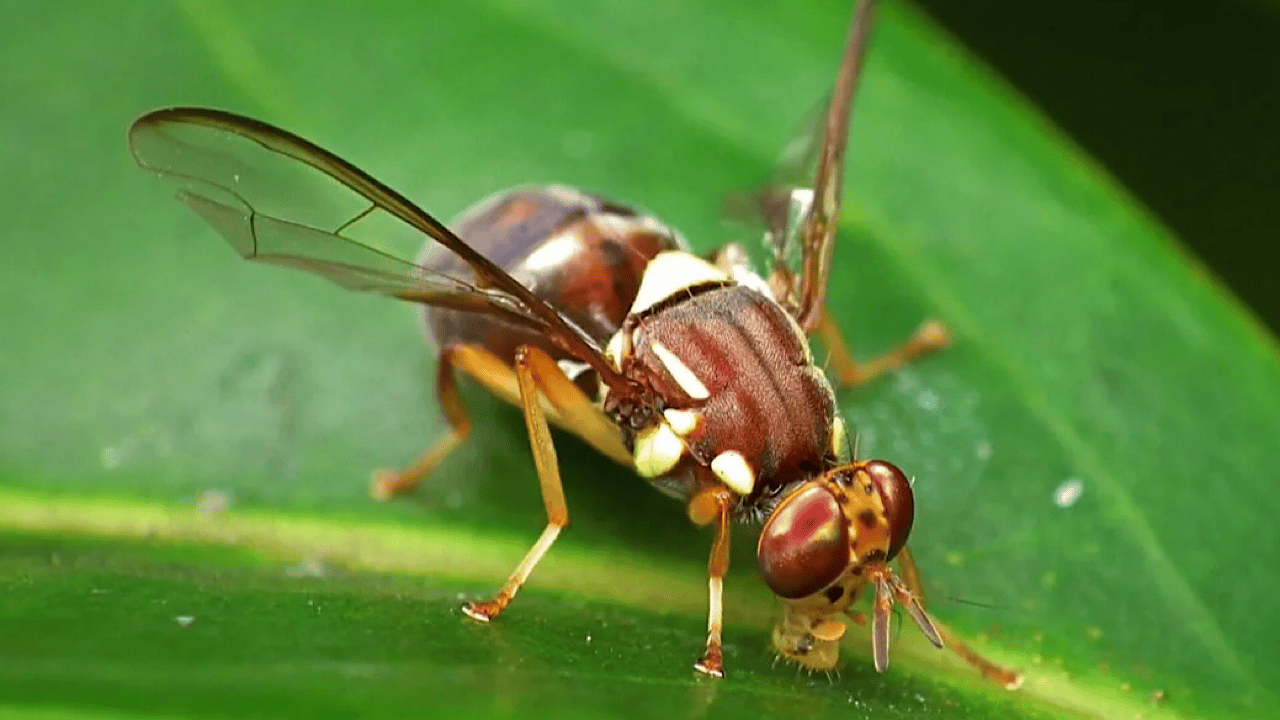
Native to Tonga, the polyphagous pest infests 64 fruit and vegetable species across 29 plant families, with up to 100% crop loss recorded in capsicum production. Photo credit: FBC News
Biosecurity Authority of Fiji Declares Six-Month Emergency After Detecting Bactrocera facialis on Four Yasawa Islands
|
The Biosecurity Authority of Fiji has launched an emergency operation after detecting Bactrocera facialis on Nanuya, Naukacuvu, Narara, and Vomo islands in the Yasawa group, marking the second Pacific island country after Tonga to report this species. The fruit fly lays eggs 2-4 millimeters deep inside host fruits including mango, papaya, guava, breadfruit, avocado, chillies, capsicum, and citrus, with larvae hatching within one day and feeding for 10-35 days depending on season before pupariation occurs in soil under the host plant for 10-30 days. Adults live up to 1-3 months depending on temperature and begin mating approximately 1-2 weeks after emergence.
|
|
BAF Acting Chief Executive Surend Pratap stated that mass trapping, intensive field surveys, and protein-based spraying are underway to determine the extent of the incursion, with no known biological control for the pest. The authority is using integrated methods including fruit bagging, pheromone traps containing cue lure mixed with insecticide to attract males, protein bait traps to monitor both sexes, and protein-based sprays to suppress the female population. Restrictions on fruit movement from affected islands are in place, with fallen fruits being collected and destroyed to prevent breeding.
|
|
Research indicates Bactrocera facialis causes up to 100% fruit loss in Capsicum species in Tonga and is considered a major agricultural pest, though it is described as relatively benign on other fruits compared to its impact on peppers. Recent surveys in the South Pacific have shown that levels of larval parasitism are generally low, less than 10%, limiting natural biological control. Australia conducted a risk analysis for fresh Capsicum fruit from Fiji, Papua New Guinea, Samoa, Solomon Islands, Tonga, and Vanuatu between 2018 and 2021, recommending fruit treatment effective against all life stages of fruit flies present in the exporting country or conditional non-host status for specific Capsicum varieties for specific fruit fly species.
|
|
Quarantine restrictions represent major obstacles to agricultural exports from Pacific Island Countries to developed country markets, with Fiji taking eight years to gain clearance for papaya exports to Australia. Agriculture Minister Tomasi Tunabuna warned that while Fiji has native fruit fly species, this new one could seriously harm crops and affect trade. The goal is full eradication before the fly becomes established in Fiji, with the emergency declaration active for six months and intensive delimiting surveys to define the extent of the incursion.
|
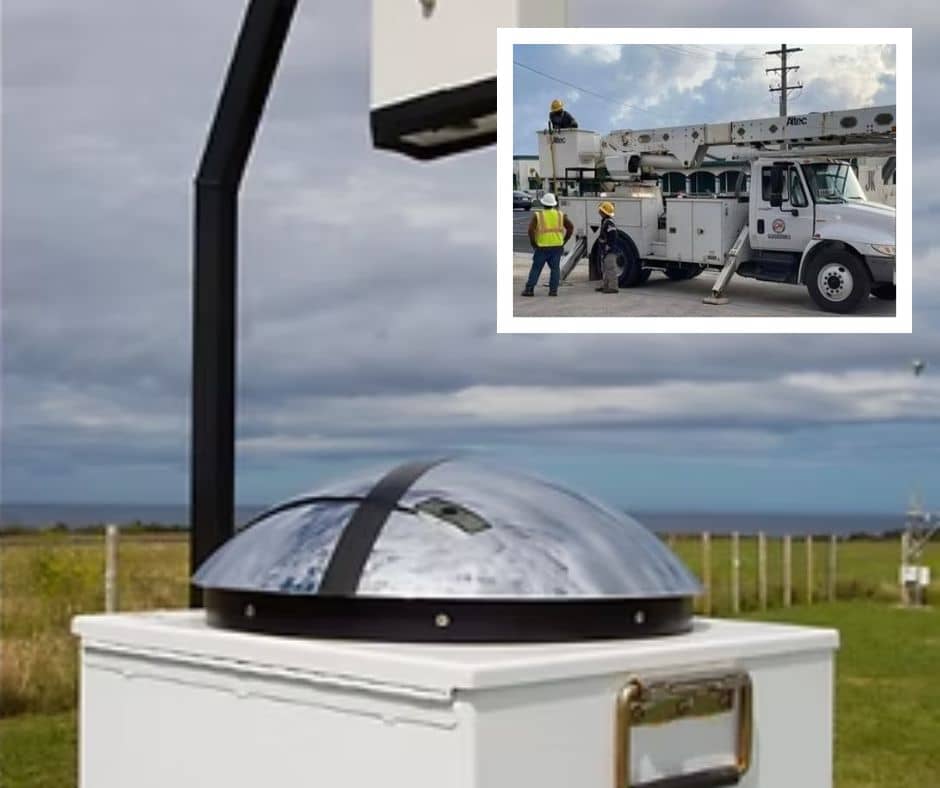
The Guam Power Authority's new AI-powered system aims to improve storm response by enabling real-time monitoring, weather forecasting, and targeted power restoration to critical facilities. Photo Credit: Petty Officer 1st Class Andrew Waters / US Navy
Guam Power Authority Implements AI Technology to Support Storm Power Restoration
|
The Guam Power Authority (GPA) has announced the deployment of artificial intelligence (AI) driven technology to enhance the island’s power system management and speed up restoration efforts following storms. The technology includes advanced microgrid controllers installed at key locations like Inalåhan Middle School and Upi Elementary School, allowing GPA to isolate and restore power quickly to critical facilities during outages. The system is supported by a Total Sky Imager, which uses AI and machine learning to forecast cloud cover and provide short-term generation predictions, helping optimize power generation dispatch in real time.
|
|
Funded through two federal grants totaling $1.62 million from the U.S. Department of the Interior’s Office of Insular Affairs, this initiative is part of GPA’s ARMOR (Advanced Resilience Management for Outage Recovery) project. The AI-enhanced tools enable GPA to anticipate weather impacts, monitor the grid continuously, and restore service faster after storm-related interruptions while working to keep electricity costs affordable for customers. This project follows earlier upgrades aimed at improving grid control, situational awareness, and operational security across Guam’s power system.
|
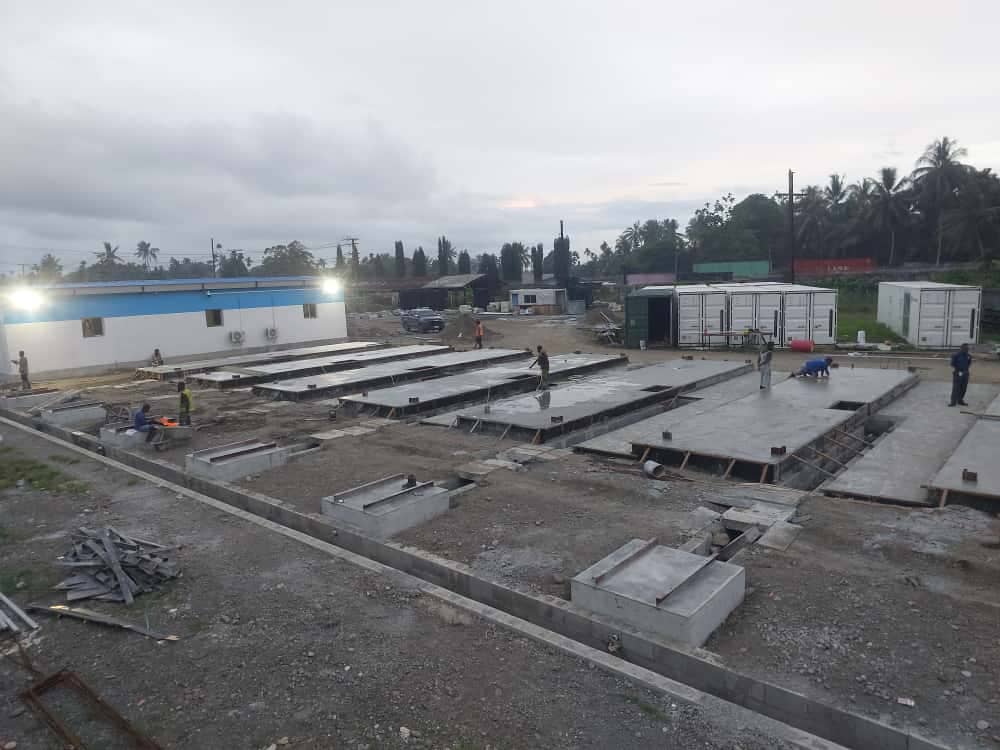
JICA-funded upgrades include second 132 kV transmission line, new substations, and 12MW generator relocation, with energization expected within weeks. Photo credit: PNG Haus Bung
PNG Power Completes Major Ramu Grid Infrastructure Overhaul to Address Lae's Chronic Power Shortages
|
PNG Power Limited announced completion of a major infrastructure overhaul for Lae's electricity grid on October 23, 2025, funded through an 8,340 million JPY (approximately K263 million) loan from the Japan International Cooperation Agency and the Papua New Guinea government. The Ramu Transmission System Reinforcement Project includes construction of a second 132 kV transmission line from Singsing to Lae via Erap, a new Singsing substation, 326 new transmission towers, and rehabilitation of Taraka and Erap substations. The 132 kV transmission line from Yonki to Taraka is complete with testing and energization expected within 2-3 weeks. Additional work includes capacitor bank upgrades at Milford Haven Substation, installation of a second transformer at Milford Haven, and completion of a concrete pad at Taraka for relocating a 12MW genset with installation expected within 2-3 weeks. Papua New Guinea experienced an average of more than 40 blackouts per month in 2015, ranking third highest globally, while only 60% of Papua New Guinea's population has access to the electricity supply network.
|
|
The Ramu Grid supplies electricity to seven provinces including Morobe, Madang, Eastern Highlands, Western Highlands, Chimbu, Southern Highlands, and Enga, covering the largest geographic area among PNG's three main grids with peak demand of 97 MW in 2019. The Ramu 1 underground power station's maximum output had been restricted from an installed 75 MW to around 50 MW due to breakdowns and unit operating limitations. The grid has historically experienced reliability issues requiring PNG Power to isolate Lae's supply from the Ramu Transmission System and Ramu Hydro Power Station, creating generation shortfalls of up to 8MW that necessitated daily load shedding schedules across residential areas, industrial zones, and government facilities. The project aims to benefit approximately 3.4 million people by introducing redundancy to the network, enabling faster fault recovery and uninterrupted service even when the primary line fails. JICA has supported PNG's power sector since 1979 with projects including the Warangoi Hydroelectric Project, Rouna 4 Hydroelectric Project, and Yonki Hydroelectric Project, with the Ramu grid project agreement signed in 2016 and construction beginning in 2017.
|
USP Emalus Launches Biology and Chemistry Postgraduate Diploma as Part of Regional Decentralization
One-year program enrolls 60 students in two cohorts, marking first advanced science instruction at Vanuatu campus
|
The University of the South Pacific's Emalus Campus in Port Vila has launched its first Postgraduate Diploma Programme in Biology and Chemistry, with over 60 students enrolled in two separate cohorts starting classes this month. The program runs for one year from 2025 to 2026 under the School of Agriculture, Geography, Environment, Oceans, and Natural Sciences. Previously, Emalus primarily offered degrees in science, commerce, linguistics, and arts through mixed-mode online and face-to-face teaching, with the campus mainly known for hosting the university's law school since 1996. USP is jointly owned by 12 Pacific island governments including Cook Islands, Fiji, Kiribati, Marshall Islands, Nauru, Niue, Samoa, Solomon Islands, Tokelau, Tonga, Tuvalu and Vanuatu, with its main Laucala campus in Suva, Fiji serving as the administrative center.
|
|
Teacher shortages driven by migration to New Zealand and Australia plague the Pacific region, with Fiji alone losing 600 teachers to these countries in a single year due to uncompetitive pay and overwhelming workloads. UNESCO reports that an additional 300,000 teachers will be needed in Oceania by the end of the decade to achieve quality universal basic and secondary education. One enrollee, Lutricia Loli, a biology teacher at Malapoa College, stated the program allows teachers to upgrade their skills and continue professional development while working. The postgraduate diploma functions as the normal entry qualification for master's degree programs at USP, with students achieving a GPA of 4.5 after completing at least two courses eligible to apply for master's admission.
|
|
Vanuatu's education system faces inadequate teacher training, limited resources and infrastructure, and accessibility issues in remote areas across its 83 islands. Despite spending 6.4 percent of GDP on education, Vanuatu provides only subsidized primary education with no government funding for secondary or tertiary education. The country has 2,000 primary schools but only 90 secondary schools, creating chronic capacity issues that have challenged education officials for over a decade. The diploma program represents part of USP's Council directive to decentralize programs across all Pacific Island Countries, allowing students to pursue key disciplines without leaving their home nations. USP announced that Land Management programs will also be offered at Emalus starting in Semester 1, 2026, following the same decentralization strategy.
|
PRESENTED BY VONU STUDIOS
Children's Book: Vonu and the Druas Play Hide and Seek

|
Join Vonu the turtle and the stingray twins, the Druas Vai and Fai, in an exciting game of hide and seek! A heartwarming story filled with fun and adventure, perfect for young readers. Get your copy today!
|
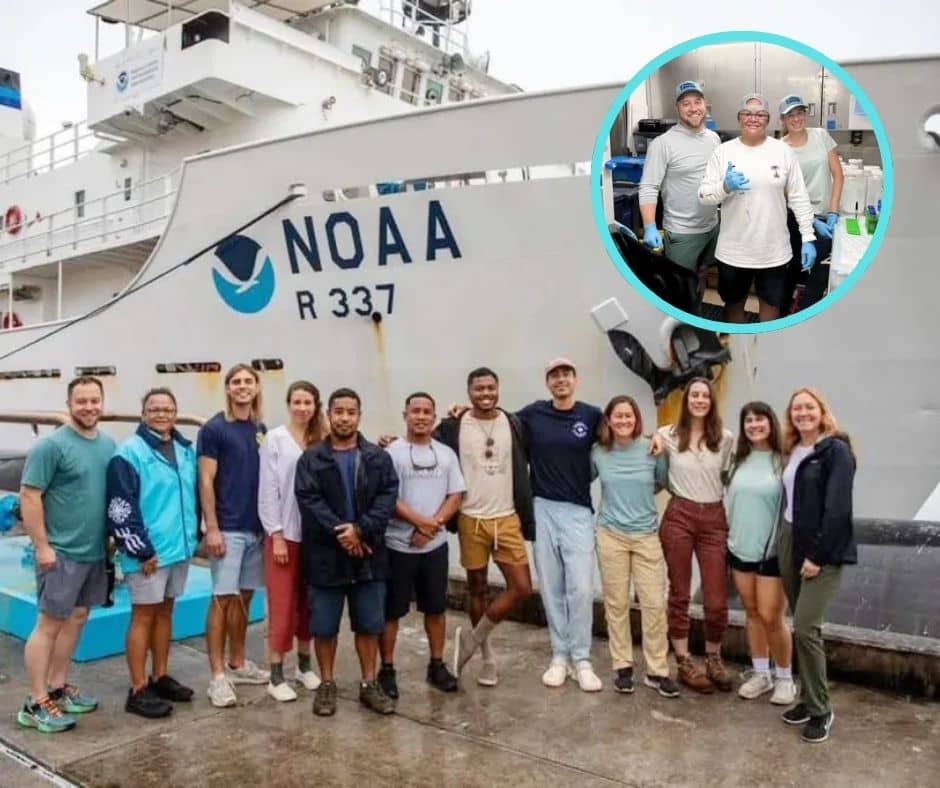
Palauan researchers aboard NOAA's Okeanos Explorer collected eDNA samples to identify marine species within the Palau National Marine Sanctuary, supporting conservation efforts. Photo Credit: Island Times Palau
Palauan Scientists Use eDNA Technology on Okeanos Expedition to Map Marine Biodiversity
|
In October 2025, Palauan scientists joined NOAA's Okeanos Explorer on a research expedition to map marine biodiversity throughout the Palau National Marine Sanctuary (PNMS). Using environmental DNA (eDNA) technology, the team collected seawater samples to detect genetic material shed by marine organisms, such as tissue fragments and waste. Water was gathered using Niskin bottles on a rosette sampler equipped with instruments measuring water salinity, temperature, and pressure. Extracted eDNA was then sequenced to determine the variety of species inhabiting over 475,000 square kilometers of protected waters.
|
|
The expedition included Palauan researchers from the Palau International Coral Reef Center working alongside Stanford University scientists. Several Palauan professionals also contributed as Senior Regional Advisors. This approach provides rapid, accurate biodiversity data vital for monitoring and managing the sanctuary’s rich but vulnerable marine ecosystem. The ongoing research builds on collaborations dating back to 2021 and aims to enhance understanding of local marine habitats to inform conservation policies in Palau.
|
China Conducts Seabed Mineral Research in Cook Islands EEZ
|
The Chinese research vessel Da Yang Hao recently arrived at Avatiu port in the Cook Islands to carry out a scientific research cruise. The ship, affiliated with the China Ocean Mineral Resources Research Association (COMRA), is engaged in deep-sea mapping and sampling activities within the Cook Islands’ Exclusive Economic Zone (EEZ). These operations are focused on polymetallic nodules, which are rich in critical metals such as high-grade cobalt, nickel, and manganese—resources essential for global battery and clean energy technologies. This research follows an exploration agreement signed earlier this year between the Cook Islands government and Beijing.
|
|
The Cook Islands holds one of the world’s largest known concentrations of these nodules, estimated at approximately 6.7 billion metric tonnes. This resource has made the small Pacific nation a central point of geopolitical interest, with both China and the United States signing cooperation agreements to secure access and conduct exploration. The ongoing scientific work is vital for gathering baseline data regarding the seabed environment, an essential requirement before any commercial resource collection can be considered.
|
|
Despite the economic potential—seen by the government as a crucial avenue to diversify revenue away from tourism—the Cook Islands maintains a strict legal framework focused on environmental protection. The Seabed Minerals Authority has granted exploration licenses but has not yet permitted commercial extraction. Current regulations mandate the use of a precautionary approach, requiring rigorous environmental impact assessments to ensure any future decision on mineral harvesting is based on adequate scientific data and safeguards the marine ecosystem.
|
SPOTLIGHT
Galuola Research Lab Grounds Psychology in Pacific Worldviews
 The Galuola NIU-Psychology lab provides a culturally familiar environment at the University of Otago, integrating Pacific-Indigenous knowledge systems directly into psychological science research and practice. At the entrance to the lab, opened by Psychology Professor Siautu Alefaio-Tugia (front right), are from left, Petra Satele (PhD candidate), Philomena Talalima (postgraduate student), Siautu, and Ravi Prasad (honours student). Photo credit: University of Otago
|
The University of Otago’s Department of Psychology has opened the Galuola NIU-Psychology lab, a specialized research space led by Professor Siautu Alefaio-Tugia, the University's first Pacific Professor of Psychology. The lab is designed to develop psychological understanding through the application of Pacific Indigenous knowledge frameworks.
|
|
The lab's name, Galuola, is a Samoan metaphor for the wave that guides people to a safe landing. The research framework it houses, NIU-Psychology (New Indigenous Understandings), represents a foundational approach that challenges the dominance of imported, Western psychological models by centering the knowledge and value systems of Oceania. This framework is detailed in Alefaio-Tugia’s book, Pacific-Indigenous Psychology: Galuola, A NIU-Wave of Psychological Practices.
|
Function and Focus
|
The primary motivation for establishing the Galuola lab was to address reports of isolation and lack of belonging among Pacific students in the academic setting. Professor Alefaio-Tugia aimed to create an accessible space in the Department where students could find support, connect with peers and academics, and visualize themselves in the future of psychological research.
|
The physical space is structured to facilitate culturally appropriate research practices:
- An open area accommodates regular fono (meetings and check-ins).
- A dedicated room is used for fa’afaletui, a Samoan concept denoting the collective search for wisdom, employed here for data collection and analysis.
|
|
Research conducted within the lab focuses on areas of high contemporary need for Pacific communities, including humanitarian and disaster resilience, family violence prevention, and Matua Tausi (Pacific carers for Ageing well). The lab supports a growing cohort of Pacific postgraduate students, fostering academic strength and producing culturally responsive training. This development directly contributes to building a knowledge base for Pacific Psychology, a field required for supporting Pacific communities in Aotearoa New Zealand and globally.
|
OCEANIAN MAKING WAVES
Sports-Based Program Targets School Mental Health Integration After Study Shows 38% of Cook Islands Adolescents in High-Risk Category
 Former rugby international leads two-week initiative across outer islands following baseline survey revealing mental health crisis among students. Photo credit: Cook Islands News
|
Ariel Ngatokorua-George, a former Cook Islands Moana international rugby player who manages a childcare center in Australia, is leading a two-week sports and wellbeing program called "Limitless and Wellbeing" across Mangaia, Aitutaki, and Rarotonga schools to integrate mental health awareness and emotional expression into sports and school curriculums. The program follows a 2022 baseline survey conducted by Griffith University and the Cook Islands Ministries of Health and Education that found 38 percent of 57 surveyed Year 9-10 students across three schools presented Strengths and Difficulties Questionnaire scores in the high to very high difficulty category, compared to an expected prevalence of 10 percent in typical populations.
|
|
The Ministry of Education operates Student Hub Support Services that include guidance counselors, school social workers, and wellbeing advisors, while Te Kainga O Pa Taunga, the Cook Islands mental health organization, currently employs six mental health professionals for a population where one in four residents experiences mental distress at some point. Mereana Taikoko, Te Kainga O Pa Taunga's director, stated the organization finds it easier to engage with schools in the outer islands and has observed anxiety levels worsening since COVID-19, driven by peer pressure, relationship issues, drug and alcohol use, and lack of parental support.
|
|
The 2024-2025 Social Impact Fund allocated $199,825 to 14 community projects, with the board prioritizing organizations promoting sports that address mental health and healthy wellbeing in response to statistics from Te Marae Ora health ministry. A meta-analysis involving 43 studies highlighted the effectiveness of integrating school-based mental health services in routine teaching activities, though research from Hong Kong suggests teachers often do not fully understand their roles in supporting student mental health needs.
|
|
The Cook Islands Mental Health and Well-being Strategy 2016-2021 and subsequent workshops between the Ministries of Health and Education aimed to develop resource toolkits for schools and establish an implementation framework for wider rollout of mental health screening, though professional mental health resources remain limited in the small island setting. Te Puna Tiaki, a four-bed mental health facility at Rarotonga Hospital designed with therapeutic features including internal and external courtyards and natural lighting, opened in 2022 to accommodate patients requiring acute care. The Ministry of Education provides youth mental health apps including Whitu for seven-day self-help, Clear Head for self-discovery, Manaki Ora for tough times support, and Just a Thought for online cognitive behavioral therapy courses.
|
SPORTS
Fiji Joins Nations Championship as Invitational Southern Hemisphere Team, Plans to Host Home Matches on Neutral Ground
 New biennial tournament guarantees six test matches against Six Nations and SANZAAR opponents, with finals weekend at Twickenham in November 2026. Photo credit: FRU
|
Fiji will participate in the Nations Championship starting July 2026 as one of two invitational Southern Hemisphere nations alongside Japan, joining SANZAAR members New Zealand, Australia, South Africa, and Argentina against Six Nations teams England, France, Ireland, Italy, Scotland, and Wales. Fiji Rugby Union chairman John Sanday stated there is no way to host matches at home currently as Fiji lacks a stadium meeting minimum stipulations, with reports indicating Fiji will host matches on neutral ground where gate takings would boost their coffers while easing travel demands on opponents.
|
|
The BBC reported Fiji would host their clash against England in South Africa in July 2026, and Fiji Rugby Union has been negotiating hosting three test matches against England, Scotland, and Wales away from home. HFC Bank Stadium in Suva has a capacity of 15,446 with 4,026 seats on the grandstand and 420 in VIP boxes, while World Rugby requires 25,000 seating capacity for hosting HSBC SVNS Series legs. Fiji Sports Council plans to expand HFC Bank Stadium's seating capacity from 15,000 to 25,000 through a three-to-four-story corporate box addition targeted for completion by 2026.
|
|
The tournament format includes three rounds in July where Northern Hemisphere teams travel south, followed by three November rounds where Southern Hemisphere teams travel north, with each team playing six cross-hemisphere fixtures. Fiji's schedule shows matches against Wales on July 4-5, England on July 11-12, and Scotland on July 18-19 in the Southern series, followed by France on November 7-8, Ireland on November 14-15, and Italy on November 21-22 in the Northern series.
|
|
The competition concludes with a finals weekend on November 28-30 at Twickenham's Allianz Stadium in London, where all 12 nations compete for placement with the top-ranked Northern and Southern Hemisphere teams meeting in the final. The Nations Championship runs biennially in non-Rugby World Cup and British & Irish Lions tour years, with the Rugby Championship between Argentina, Australia, New Zealand, and South Africa now moving to every two years. World Rugby will run a concurrent second division called the Nations Cup featuring the 12 teams that qualified for the 2027 Rugby World Cup through qualification processes, including Canada, Chile, Georgia, Hong Kong, Portugal, Romania, Spain, Tonga, Uruguay, the United States, Zimbabwe, and either Belgium or Samoa, with promotion and relegation between divisions starting from the third edition in 2030.
|
QUICK TAKES
-
Rūmia, a new digital portal, has been introduced by the government of French Polynesia to centralize and simplify administrative processes for the public. The platform utilizes a unified digital identity based on the existing CPS Tatou system, allowing users to access services, store official documents in a digital strongbox, and track the status of their applications via a single dashboard. Designed to complement existing digital services, Rūmia also employs an intelligent search feature to translate technical administrative terms into plain language, ensuring the system is accessible. While initially hosting approximately 30 procedures, the platform is scheduled to quickly integrate over 200 services and open its ecosystem to public entities and municipalities.
|
REGIONAL EVENTS
-
UOG Presents Sondheim's Reverse-Chronology Musical
 Students perform complex score that tracks three friends' lives backward through 20 years. Photo credit: University of Guam
EVENT DETAILS:
-
Dates: November 20, 21, 22, 2025
-
Time: 7:00 PM (doors open 6:30 PM)
-
Venue: UOG Fine Arts Theatre, University of Guam
-
Production: Three nights only
|
|
The University of Guam Theatre and Music programs present Merrily We Roll Along, with music and lyrics by Stephen Sondheim and book by George Furth. The production features UOG students, many of them theatre and music majors, performing Sondheim's challenging work for the first time. Based on the 1934 George S. Kaufman and Moss Hart play, the musical tells its story in reverse chronology, beginning in 1977 with a successful but disillusioned composer Franklin Shepard and moving backward through 20 years to 1957, showing how three friends' lives and friendship devolved as Shepard abandoned his songwriting career and friends to become a Hollywood producer. The original Broadway production in 1981 ran only 16 performances despite a score that won the Tony Award for Best Original Score, but a 2022 Off-Broadway revival transferred to Broadway in 2023 and won four 2024 Tony Awards including Best Revival of a Musical, with Daniel Radcliffe, Jonathan Groff, and Lindsay Mendez. The revival was filmed live at the Hudson Theatre and will be released in movie theatres via Sony Pictures Classics and Fathom Entertainment beginning December 5, 2025.
|
-
OFC Futsal Men’s Champions League
 OFC Futsal Men's Champions League 2025. Photo credit: Oceania Football Confederation / X
EVENT DETAILS:
-
Dates: November 16-23, 2025
-
Venue: Vodafone Arena, Suva
-
Tickets: From just $5 FJD
|
|
The stage is set for the OFC Futsal Men’s Champions League! Six top teams, one title - who will come out on top in Suva? Fans can expect high-intensity action, exceptional skill, and true sporting spirit as the competition celebrates the growth and excellence of futsal across the Pacific. The event promises an exciting week of fast-paced matches, uniting players and supporters in a festival of elite futsal.
|
FUNDING OPPORTUNITIES
-
NZ Film Industry Development Funding
|
The New Zealand Film Commission (NZFC)
is offering Industry Development Funding to support New Zealand screen sector organisations, companies, or collectives in delivering programmes that develop craft and practice within the film industry.
|
|
Key Details:
-
Purpose: To foster skill development, project initiatives, and talent within the New Zealand film sector.
-
Eligibility: Open to New Zealand-based screen organisations, companies, or collectives registered in New Zealand.
Funding Strands:
-
Strand 2 (up to $30,000): Applications opened on Monday, July 14, 2025 and remain open until June 30, 2026, or until funds are exhausted.
How to Apply: Applications are submitted via the NZFC's online application portal.
For full details on application criteria and guidelines, please visit the official NZFC website:
Industry Development Funding.
|
Was this email forwarded to you? Sign up here:
|
|